Posted on 8/28/2026

A throttle body controls how much air enters the engine when you press the accelerator. On many newer vehicles, the throttle plate is moved electronically rather than by a cable, but the basic job is the same. As air passes through the intake, oil vapor and fine residue can collect around the plate and bore. That buildup does not mean the throttle body needs to be cleaned at every oil change or at one fixed mileage. Some vehicles go a long time without needing the service. Others develop enough contamination to affect idle quality or throttle response sooner. The right time to clean it depends on symptoms, visible buildup, engine design, and what technicians find during an inspection. What Builds Up Inside the Throttle Body? The intake system is not completely free of contamination. The positive crankcase ventilation system routes oil vapor back into the intake so those vapors can be burned instead of released into the atmosphere. Some of that oil can settle around ... read more
Posted on 7/31/2026

European cars are built to handle long-distance driving well, but that does not mean every road trip is easy on them. Hours of sustained speed, heavy cargo, summer heat, mountain grades, and stop-and-go traffic place different demands on the vehicle than a normal commute around town. Most road trip problems are not caused by a single long drive. They usually begin with maintenance that was already overdue, a small warning that was ignored, or a car loaded and driven harder than expected. Avoiding a few common mistakes can protect the cooling system, tires, brakes, transmission, and electronics before the trip becomes an expensive memory. Leaving With Overdue Fluids And Filters Long highway drives keep the engine, transmission, turbocharger, and cooling system working for hours without much rest. Old engine oil may still look acceptable ... read more
Posted on 6/26/2026

Audi SUVs are built to help you feel confident in a range of driving conditions. Rain, highway curves, uneven pavement, and quick acceleration all ask the tires, suspension, drivetrain, and Quattro system to work together. When everything is healthy, the vehicle feels controlled without making a big show of it. That feeling can change as mileage builds. Fluids age, tires wear, bushings loosen, sensors get less accurate, and small drivetrain issues can start affecting how the SUV responds. Regular Audi SUV maintenance helps maintain that balance by catching problems before they affect traction, comfort, and long-term reliability. Audi SUV Tire Maintenance Protects Quattro Performance Tires have a bigger effect on Quattro performance than many drivers realize. The system relies on accurate wheel-speed information and consistent tire contact with the road. If one tire is worn differently, inflated incorrectly, or a different size than the others, the drivetrain can be ... read more
Posted on 5/29/2026
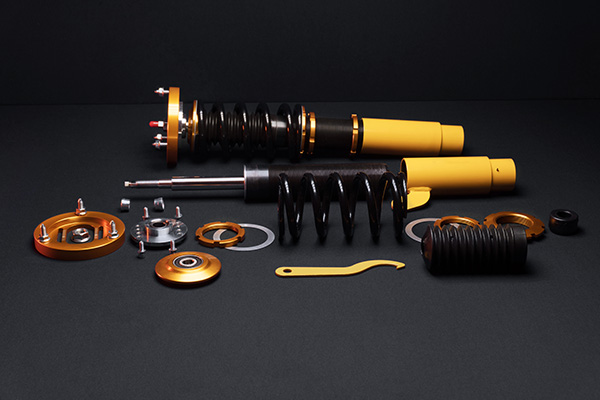
Bad shocks and struts do not just make the ride annoying; they can also cause damage to the suspension. They let the vehicle move too much, and that extra motion is transmitted to the tires, bushings, mounts, steering parts, and even the brakes. That is where the real cost starts. A car can still start, steer, and stop with worn shocks or struts, so drivers sometimes live with the bounce for months. The trouble is that the rest of the suspension has to absorb the movement those parts are no longer controlling. What Shocks And Struts Actually Control Springs hold the vehicle up. Shocks and struts control how those springs move after a bump, dip, lane change, or hard stop. Without that control, the vehicle keeps bouncing instead of settling back down quickly. Struts also act as a structural part of the suspension on many vehicles. They help support alignment angles and steering geometry. Shocks are usually separate dampers, but they still play a major role in keepin ... read more
Posted on 4/30/2026
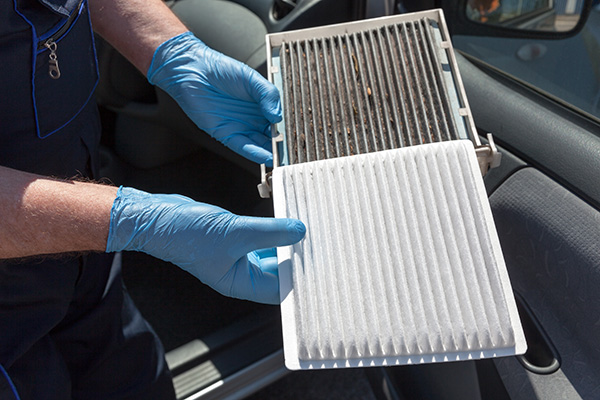
Spring has a lot going for it. Warmer weather, longer days, greener trees, and that feeling that winter is finally backing off. But for a lot of people, spring also means sneezing in the driver’s seat, itchy eyes at stoplights, and wondering why a short trip across town feels like an allergy attack on wheels. Customers come in saying the inside of their car feels dusty, the airflow is weak, or the A/C smells a little stale. Sometimes they assume it is just spring being spring. And yes, pollen season is a big part of it. But what many drivers do not realize is that their cabin air filter may be making the problem a whole lot worse. If you deal with spring allergies, your vehicle should feel like a break from the outdoor air, not a second allergy zone. That is where the cabin air filter comes in. What The Cabin Air Filter Actually Does Your cabin air filter is designed to clean the air that comes into your vehicle through the heating and air conditioning system ... read more