Serpentine and timing belts both have the word belt in the name, so people lump them together. The reality is they do very different jobs, and the consequences of failure are not the same. One belt can leave you stranded quickly. The other can also leave you stranded, and on some engines it can create major internal damage.
If you’re planning maintenance, understanding the difference helps you spend money in the right places.
What A Serpentine Belt Does
The serpentine belt is the external belt you can usually see when the hood is open. It wraps around pulleys and drives accessories. Depending on your engine design, it may drive the alternator, power steering pump, A/C compressor, and sometimes the water pump.
Because it drives the alternator, a failed serpentine belt can quickly lead to a dead battery while driving. If it drives the water pump on your engine, it can also contribute to overheating. Many drivers first notice serpentine belt issues as squealing at startup, chirping, or visible cracking.
What A Timing Belt Does
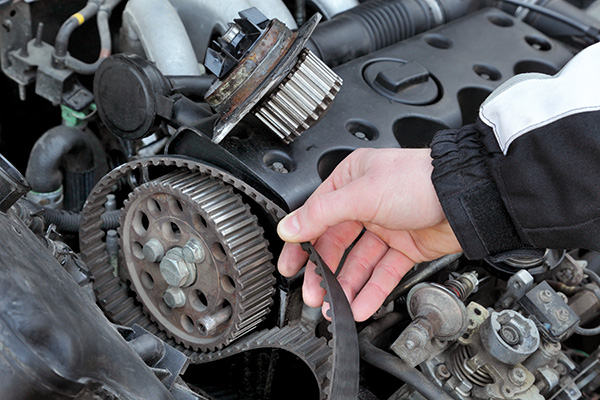
The timing belt is internal and hidden behind covers. Its job is to synchronize the crankshaft and camshaft so the engine’s valves open and close at the right time. That timing is critical. If the belt slips or breaks, the engine can stop immediately.
On many engines, a broken timing belt can cause valves and pistons to collide because the cam timing is no longer controlled. That can bend valves and create expensive internal damage. Not every engine is the same, but the risk is high enough that timing belt replacement is planned on an interval, not based on how the belt looks.
How To Tell Which Belt Your Car Has
You can often identify the serpentine belt by looking at the front of the engine. It’s the belt driving multiple pulleys. The timing belt is usually not visible without removing covers, and some vehicles use a timing chain instead of a belt.
If you’re unsure, a quick inspection can confirm the engine type and what it uses. This is especially important when buying a used vehicle because timing belt history matters more than many drivers realize. If there are no records, it’s safer to treat it as due.
How Each Belt Fails And What You’ll Notice
A serpentine belt often gives a warning. It may squeal, show cracks, glaze, or shed rubber dust. You might see the belt looking frayed or notice accessories acting odd, like weak charging or steering assist changes depending on your vehicle. A complete break usually happens after a period of warning signs, but not always.
A timing belt often gives little warning. You might hear noise if a tensioner or idler pulley is failing, but the belt itself is tucked away. That is why timing belt failures feel sudden. The engine may run perfectly one minute and not start the next.
Replacement Intervals And Why They Differ
Serpentine belt intervals vary, but many belts are replaced when they show wear or around common mileage ranges, depending on the vehicle. It’s also common to replace related components like the tensioner or idler pulleys if they are noisy or worn, since those parts can take out a new belt.
Timing belts are interval-based by design. They have to be replaced in the 60,000 to 100,000 mile range, and time limits matter too, which is around 7 to 10 years, depending on the engine. The correct interval is the one that applies to your specific model. This is where regular maintenance planning saves the most money, because a scheduled timing belt job is almost always cheaper than dealing with a broken belt scenario.
What Else Should Be Replaced With Each Belt
Serpentine belt jobs often include checking the tensioner and idler pulleys. If a pulley bearing is rough or the tensioner spring is weak, replacing it helps prevent repeat squeal and premature belt failure. If the belt has been contaminated by oil or coolant, the leak should be addressed too.
Timing belt jobs often include replacing the tensioner and idlers, and on many engines, the water pump is replaced at the same time because access overlaps. This is not upselling. It’s a practical way to avoid paying the same labor twice. An inspection of seals and leak sources in the timing area also helps the new belt last.
How We Help You Plan The Right Service
The best approach is to confirm what your engine uses, then checking service history and current condition. If your serpentine belt is showing wear, it’s usually easy to plan a replacement before it breaks. If your timing belt is due by mileage or time, it’s smarter to schedule it than wait for symptoms that may never appear.
If you’re buying a used car, timing belt history should be part of the decision. If records are missing, we can help you understand the risk and what it would cost to bring the maintenance up to date.
Get Belt Service In Chantilly, VA, With Foreign Auto Services
Foreign Auto Services in Chantilly, VA, can inspect your belts, confirm what your engine uses, and help you plan serpentine or timing belt service at the right interval.
Schedule a visit and take belt failure off your worry list.